A FarRide Overview
A FarRide: The Ride Is Yours
A FarRide recognises the completion of a published long-distance motorcycle ride within its stated distance, time and checkpoint requirements.
How you ride it is up to you.
Choose your own starting time, route, stops and pace. Change the plan if circumstances change. Stop if continuing stops making makes sense. You do not need permission, and there is nothing to prove by pressing on.
FarRiders sets the recognition standard and records the result. We do not assess whether you are capable, direct your ride, monitor your progress or make decisions for you. Those decisions remain where they belong—with the rider.
A registered ride is recorded as:
Completed — the published requirements were met.
Ride Concluded — the ride commenced but ended before every requirement was met; the distance achieved is recorded.
Withdrawn — the ride was registered but did not commence.
Completion earns recognition. Concluding a ride is simply a decision made on the road. It requires neither excuse nor apology.
Evidence may include fuel dockets, GPS records, time-stamped photographs, digital records or optional tracking. Tracking is provided for the rider’s purposes and is never monitored by FarRiders.
There are no armchair road-Tsars, no preferred routes and no prizes for making a bad decision look heroic. Ride honestly, think for yourself and return safely.
The requirements are below. The rest is your call.
Completing a FarRide
A FarRide begins with a plan and ends with an honest record.
Ride the published distance within the available time, meet any destination or check-in requirements and show us enough to support what you did. No paperwork for its own sake. Sometimes the ride goes to plan. Sometimes weather, fatigue, the motorcycle or life has other ideas. Either way, tell us what happened. The distance matters. So does knowing when enough is enough.
Your ride. Your call.
You choose when to start, which roads to take, where to stop and whether to continue.
Your route, pace, rest, motorcycle, legal compliance, health and safety arrangements remain your responsibility. Conditions change. Plans change. If pressing on stops making sense, stop. That decision needs neither permission nor apology.
FarRiders sets the criteria for recognising a ride. It does not decide whether you are ready, tell you how to ride, supervise the journey or monitor your safety. The distance, elapsed time and check-in requirements define the FarRide. They are not instructions to continue after common sense has left the building.
What counts as completed
Unless the ride description says otherwise, you need to:
register, where required;
ride at least the published distance within the available time;
attend the destination or check in during the published window, where required;
keep a simple record using one of the available options; and
submit the outcome, unless your digital option does this automatically.
The clock runs from the recorded start to the recorded finish. Fuel, food, rest and every other stop count.
A FarRide is not a race. There is no required average speed and nothing to be gained by finishing early.
Three possible outcomes
A ride starts once a valid starting record has been created.
Completed
You rode the published distance within the available time and met the ride requirements.
It will be recognised and added to your FarRiders history as Completed.
Ride Concluded
You started but finished before meeting every requirement.
Record where you finished and the distance ridden, where reasonably practicable. The ride will be added to your history as Ride Concluded.
You may tell us why. You do not have to defend a sensible decision to stop.
It does not count as completion of the published distance, but it remains part of your riding history. The record will show what you rode, not what you missed.
Withdrawn
You registered but did not create a valid starting record.
Update or withdraw your registration, or tell the Ride Coordinator. This helps with planning but will not appear in your riding history.
How it works
1. Choose your FarRide
Each ride description sets out:
the available distances and elapsed times;
any nominated destination;
any check-in window; and
anything specific to that ride.
Decide whether it fits your experience, preparation and circumstances. That call is yours.
2. Register
Registration helps the Ride Coordinator plan check-in, destination and catering arrangements. If plans change before you create a starting record, update or withdraw your registration.
Registration is administration, not supervision. Nobody at FarRiders will be following your journey or managing your safety.
3. Make a plan
Choose your route unless the ride description specifies one. FarRiders may publish a variation if a road closure or unexpected event affects a specified route.
Check the things that matter once you are out there:
fuel and opening hours;
places to rest;
weather and road conditions;
wildlife and night riding;
traffic and roadworks;
the motorcycle’s condition and range; and
your own experience, health and limits.
Your route must reasonably support the distance claimed. If it contains loops, corners or possible shortcuts, keep enough information to show where you went.
4. Mark the start
Before beginning the published distance, create a starting record using your chosen option. That establishes where and when the FarRide began. The clock starts there.
5. Ride your ride
How you undertake the ride is up to you. Every stop remains part of the elapsed time.
If a destination check-in applies, check in during the published window. You can arrive early and wait, but the formal check-in still occurs inside that window.
You do not need permission to stop, rest, change plans or conclude the ride. We assess what happened against the published criteria.
6. Mark the finish
Record the finishing location, time and odometer reading required by your recording option. Under Classic, no finish docket is needed unless the ride description asks for one, as it may for a Gold ride. Under Digital, take the required finishing photograph.
A destination check-in may help establish the finish, but any separate submission required by your recording option must still be made.
If you conclude early, record the location, time and distance where reasonably practicable. Safety first. Evidence can wait.
7. Tell us how it ended
If you used Classic, complete the finish form through Record Your Ride and select Completed or Ride Concluded.
Provide:
your name and rider number, if allocated;
the FarRide attempted;
the start and finish details;
the distance ridden;
the recording option used; and
the required supporting information.
With Digital, TimeMark captures the required information, so no separate finish form is needed.
This records the ride for recognition and ride-history purposes. It is not a welfare check-out service. Nobody is sitting at Ride Control watching dots move across a screen.
Recording options
Choose whichever option works for you. They have equal standing.
Classic
Use a transaction docket showing the starting date, time and location.
When the ride ends, complete the finish form and provide the finishing location, time, odometer reading and distance.
No finish docket is required unless the ride description asks for one. A destination check-in may establish the finishing time, but the finish form must still be completed.
Keep extra dockets for corners, turn points or loops if the route might otherwise be unclear.
Digital
Use the TimeMark app to take GPS and time-stamped photographs of:
the starting odometer;
any required checkpoints; and
the finishing odometer.
TimeMark adds the date, time, time zone and location. FarRiders uses this information to determine the outcome and distance ridden.
Because TimeMark captures the required information, no separate finish form is needed.
Digital with tracking
Use Digital and add a SpotWalla trip or similar location history if you want to.
Tracking can preserve the story and help confirm the route. It is optional and is never monitored while you ride. If submitted, it may be reviewed afterwards solely to support recognition.
Nobody has to pay to participate.
How rides are recognised
We check four things:
Was the published distance completed?
Was it completed within the available time?
Were any destination or check-in requirements met?
Does the information supplied reasonably support the outcome claimed?
If something is missing or unclear, we ask. The point is to recognise genuine rides, not hunt for technicalities on which to reject them.
The ride is then recorded as:
Completed — with the relevant FarRide designation; or
Ride Concluded — with the distance achieved.
Distance counts. So do preparation, honesty, resilience and sound judgement.
Knowing when to stop is part of the ride—not a failure of it.
Safety arrangements
Your route. Your motorcycle. Your calls. Your wellbeing. Your safety plan.
FarRiders does not monitor riders or provide welfare, tracking or emergency-response services. Registration, destination check-ins, optional tracking links and ride submissions exist to administer and recognise rides. Nothing more. If you do not arrive, check in or submit an outcome, do not assume FarRiders will notice. Make your own check-in arrangements with someone you trust. If you need help, contact emergency services directly.
If information suggesting an emergency reaches FarRiders, we may pass it to emergency services or someone able to help. Responding to information received is not the same as monitoring your ride.
Privacy and ride information
Ride records may include your name, odometer photographs and precise time and location information. The Record Your Ride form links to the FarRiders Privacy Statement. It explains what we collect, why we collect it, who can access it, how long we keep it, what may appear publicly and how to request access or correction.
Read it before submitting. No surprises.
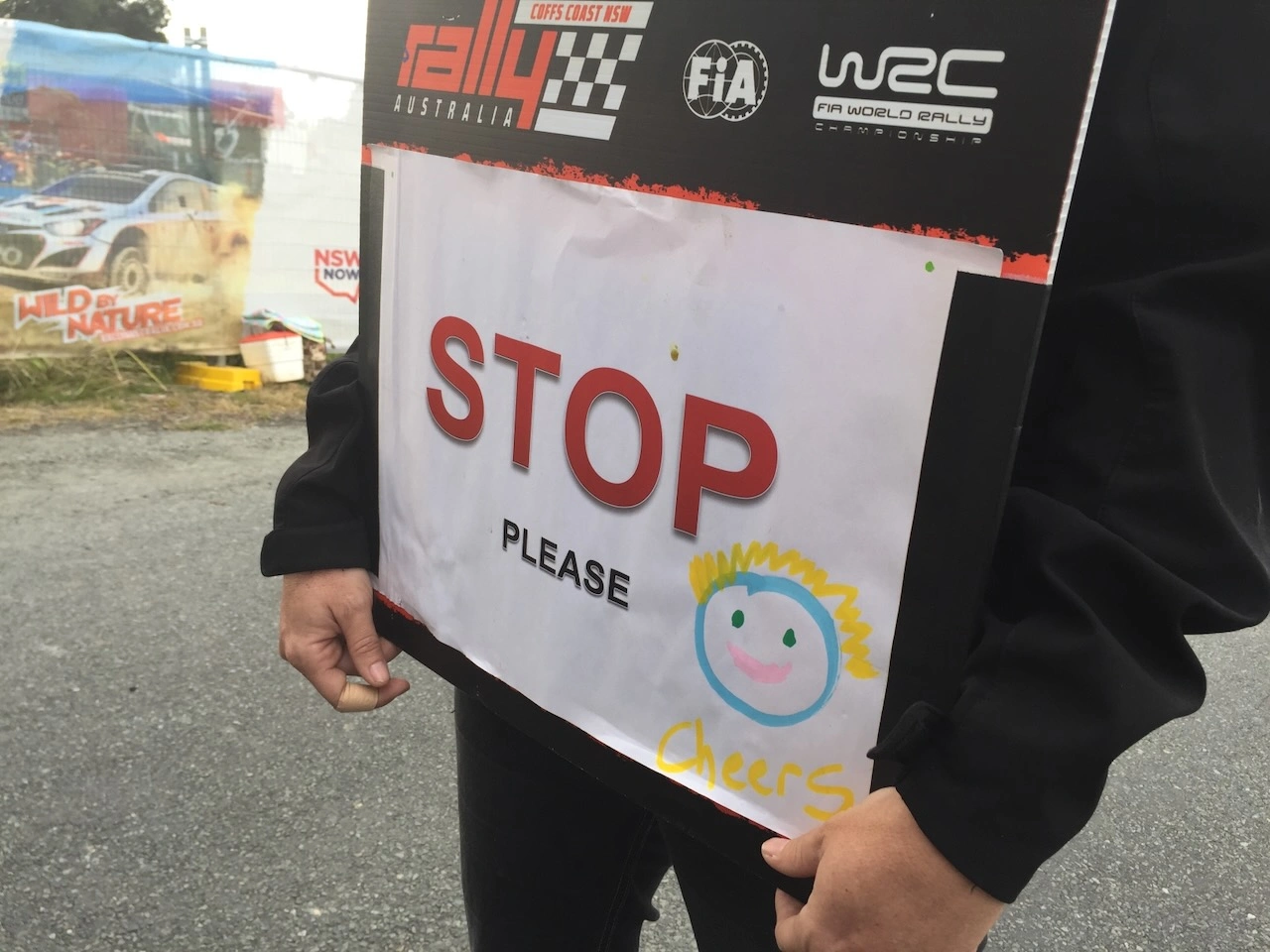
The last words! Fatigue management.
Long distance riders recognise three things:
Incremental increases in speed, disproportionately increases fatigue on your body.
Smooth by practice, gives you longevity.
Managing fatigue is your first priority.